Portland Protests Intensify After Trump Deploys Federal Troops to ICE Facility
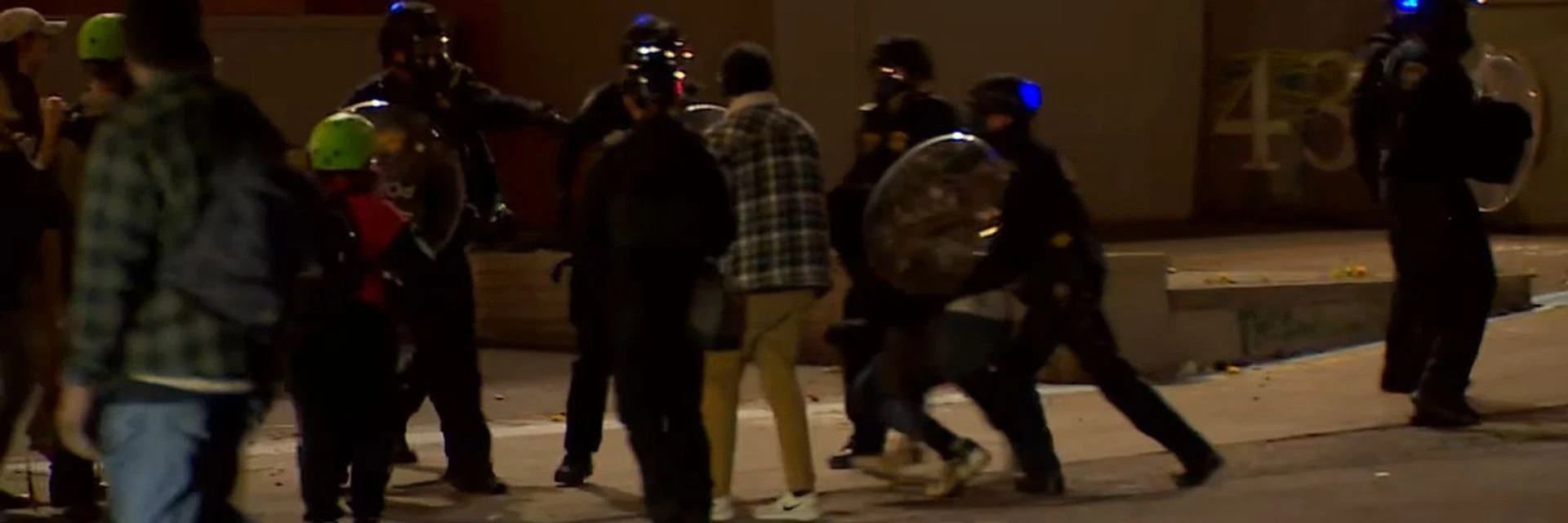
The city of Portland, Oregon, is once again the focus of national attention after President Donald Trump’s decision to deploy federal troops. The move has sparked widespread debate, as protesters gather outside the U.S. Immigration and Customs Enforcement (ICE) facility, clashing with federal agents and igniting concerns about civil liberties and public safety.
Federal Troop Deployment Raises Concerns
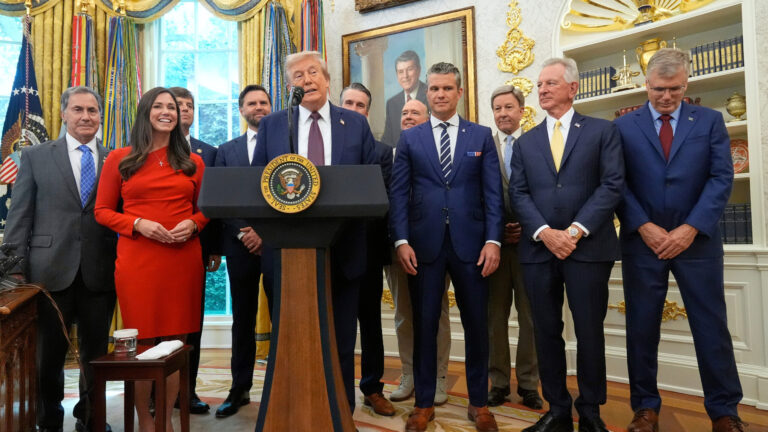
Less than 24 hours after Trump announced via Truth Social that he had authorized the use of “full force” to protect what he called a “war-ravaged Portland,” residents witnessed an immediate increase in federal agents throughout the city.
Trump justified the decision by alleging that the ICE facility was “under siege by ANTIFA and other domestic terrorists.” This echoes previous deployments of National Guard troops to cities such as Los Angeles and Washington, D.C., where similar actions stirred political controversy.
Confrontations Outside the ICE Building
By Friday night, the ICE facility in South Portland became the center of tense interactions. News crews captured footage of an ICE officer shoving a protester to the ground, though the incident appeared unprovoked. Another demonstrator was detained during the standoff.
Some residents, like David Schmidt, expressed frustration:
“Every night, there’s tons of protesters making noise for hours,” Schmidt said. “People who live here are dealing with chaos even when ICE officers aren’t present.”
Memories of 2020 Fuel Fears
Others worry the situation could spiral into violence, reminiscent of the 2020 Portland protests following George Floyd’s murder.
“I’m worried we’re going to see things blow up like they did in 2020,” said resident Ocean Hosojasso. “It feels like the federal government is looking for a fight.”
City and State Leaders Strongly Oppose Federal Action
Oregon Governor and Mayor Speak Out
Governor Tina Kotek condemned the deployment, stating, “There is no insurrection, no threat to national security, and no need for military troops in Portland.” She assured residents that the Oregon National Guard is prepared to maintain safety without federal involvement.
Mayor Keith Wilson echoed these concerns, calling the troop deployment a “big show” and asserting, “The number of necessary troops is zero—both in Portland and in any American city.”
Federal Government Criticized for Overreach
U.S. Senator Jeff Merkley urged residents not to “take the bait,” warning that the federal presence was designed to provoke conflict.
Congresswoman Suzanne Bonamici labeled the deployment a “gross abuse of power,” emphasizing that Portland remains a thriving, peaceful community despite negative portrayals in national media.
Read our previous post about Russell M. Nelson Dies at 101
Peaceful Protests Continue
Despite the federal buildup, protests remain largely peaceful. Demonstrators insist they are rallying to challenge false narratives about their city.
“Our city gets an unfair reputation that everything’s on fire,” Hosojasso explained. “But when you come here, it’s peaceful.”
Activist Bonnie Berg encouraged others to show solidarity:
“Show up, put your body on the streets, and show people that you care about humanity. It makes a difference.”
History of Portland Protests
Portland has a long history of activism, from the 2020 racial justice demonstrations to ongoing immigration-related protests. Earlier this month, the city issued a land-use violation notice to the ICE facility for allegedly detaining individuals overnight—another point of contention between federal authorities and local officials.
Business Leaders Urge Stability and Peace
Local business leaders warn that federal intervention could damage the city’s economy. Vanessa Sturgeon of the Portland Metro Chamber stated:
“Portland is a city on the rise. We love this city, and it does not need federal troops. We don’t want our hospitality and retail sectors to suffer like we’ve seen in other cities.”
What’s Next for Portland?
The exact number of troops and their mission remain unclear. Pentagon officials have not released details, and reports suggest even military leaders were surprised by the president’s order. Early indications point to a mission similar to previous National Guard deployments focused on logistical support for law enforcement.
City leaders and residents continue to call for calm and unity, emphasizing that peaceful protest and dialogue remain the best paths forward.
Key Takeaways
- Federal troops deployed to Portland following President Trump’s directive to protect ICE facilities.
- State and local leaders condemn the action, warning of potential escalation.
- Protests remain peaceful, despite an increased federal presence.
- Business leaders fear economic fallout and stress the importance of maintaining Portland’s vibrant culture.
FAQs
Why did President Trump send federal troops to Portland?
President Trump stated the deployment was necessary to protect the ICE facility and federal property, citing threats from “domestic terrorists” such as ANTIFA.
Are the protests in Portland violent?
Most recent demonstrations have remained peaceful, with protesters gathering to oppose federal troop deployment and challenge negative portrayals of the city.
How have local officials responded?
Governor Tina Kotek, Mayor Keith Wilson, and other Oregon leaders have strongly opposed the deployment, arguing it is unnecessary and could provoke conflict.
How does this compare to past Portland protests?
Portland has a history of political demonstrations, including the large-scale 2020 racial justice protests. Unlike those events, current protests have been calmer and more focused on immigration and civil rights.
What impact could this have on Portland’s economy?
Local business leaders worry that a prolonged federal presence could harm tourism, retail, and hospitality, similar to disruptions seen in other cities with heavy federal deployments.
The situation in Portland underscores the delicate balance between federal authority and local governance, testing the limits of peaceful protest and political discourse in America today.