Democrats Push Trump Meeting as Government Shutdown Deadline Nears
As the October 1 deadline for a potential U.S. government shutdown approaches, political negotiations in Washington are intensifying. Congressional Democrats are preparing to meet with President Donald Trump to discuss strategies to keep the government running, while sharp divisions remain over federal funding, health-care programs, and budget priorities.
Government Shutdown Deadline: High Stakes for Washington
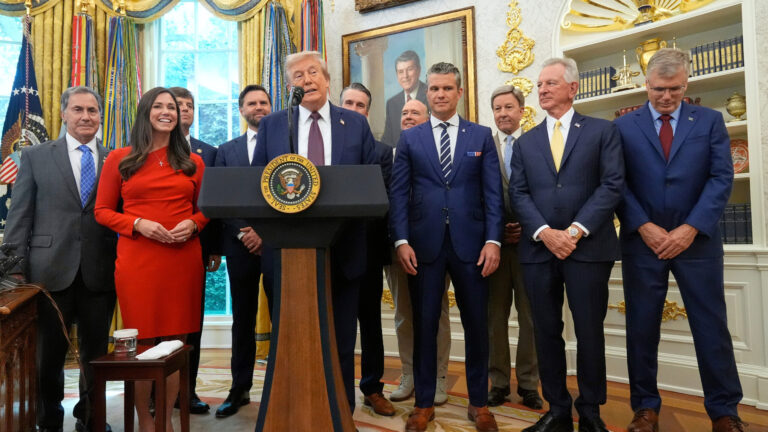
The looming government shutdown threatens essential federal operations, sparking urgent discussions between the White House and congressional leaders. President Trump has acknowledged that a shutdown is possible but has signaled a willingness to meet with Democrats, even if a deal may not immediately emerge.
Democrats in both the House and Senate are resisting a short-term spending extension and argue that any agreement must address pending health-care cuts. Meanwhile, Republicans and the White House are pushing for what they call a “clean funding extension” without additional policy riders.
Democrats’ $1.5 Trillion Proposal for Government Funding
Senate and House Democratic leaders have introduced a $1.5 trillion funding plan to extend government operations through October 31. This proposal would:
- Permanently extend Obamacare premium tax credits for middle-class families.
- Reverse GOP-backed Medicaid cuts.
- Add safeguards to ensure the Trump administration cannot withhold funds already approved by Congress for programs such as medical research.
Despite the push, the measure failed to secure the 60 Senate votes needed for passage.
Republican Stopgap vs. Democratic Demands
The Republican-controlled House recently passed a short-term extension to fund the government until November 21. However, the measure failed in the Senate due to Democratic opposition.
- Democrats’ Position: They argue that the GOP plan allows health-care cuts to move forward and fails to address rising medical costs for working families.
- Republicans’ Position: GOP leaders, including Senate Majority Leader John Thune, say Democrats are holding the government “hostage” to a sweeping wish list and warn that Democrats will be blamed for any shutdown if they block the temporary extension.
Healthcare Costs at the Center of Budget Fight
Health care remains the most contentious issue in the funding battle. With Obamacare tax breaks set to expire and premiums expected to rise, Democrats say urgent action is needed now, not later in the year.
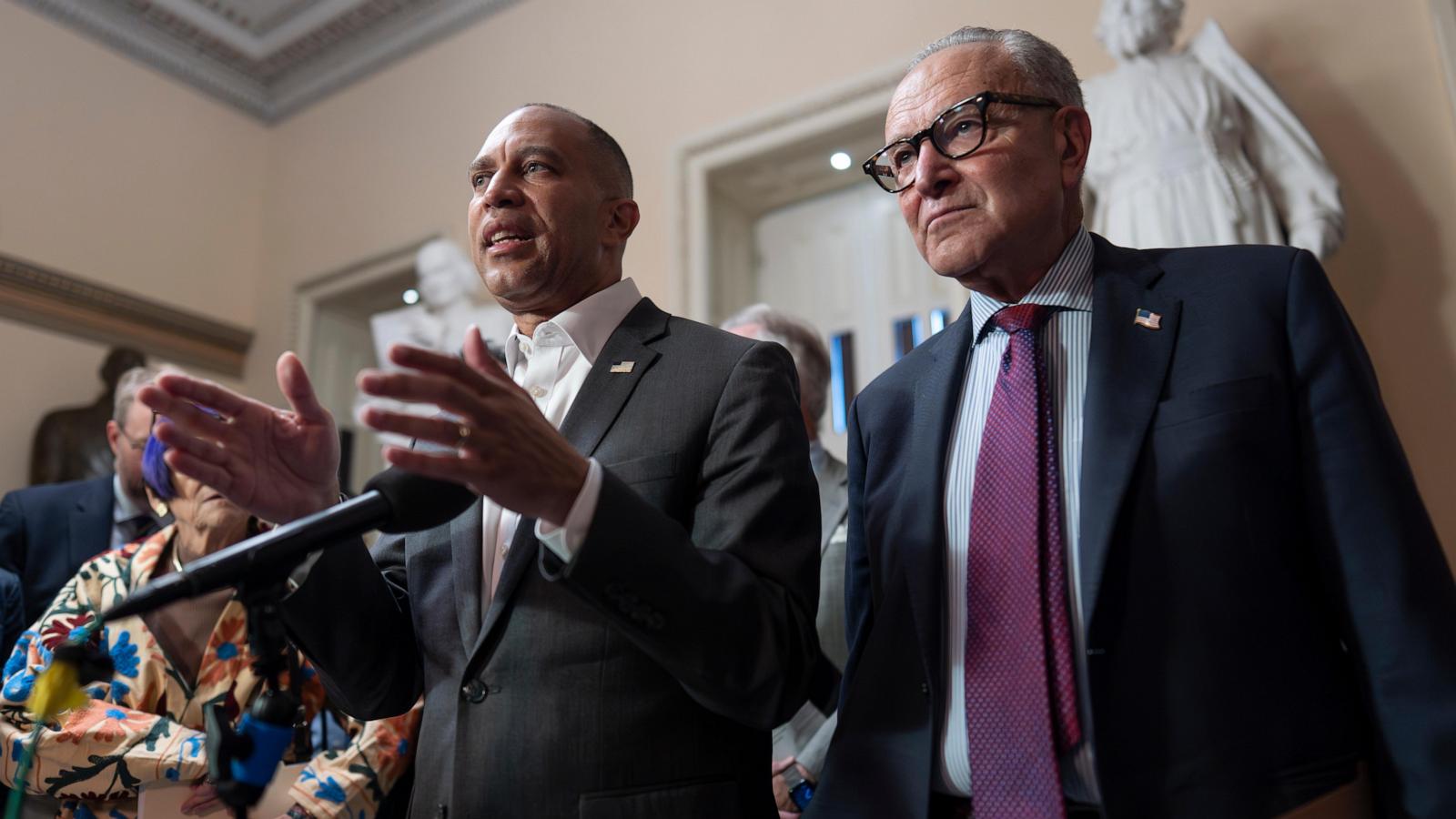
Senate Minority Leader Chuck Schumer emphasized, “People are getting notices that their health-care premiums are going up. People are losing health care. Do it now. There’s no reason not to do it now.”
House Minority Leader Hakeem Jeffries echoed this sentiment, calling the Republican stopgap a “dirty bill” that fails American families. Democrats argue it is their responsibility to push for lower health-care costs and protect essential programs.
White House Response: Clean Budget Extension Only
White House Press Secretary Karoline Leavitt reinforced the administration’s position that they want a straightforward, clean extension of government funding through November 21. She stated that additional demands tied to the extension would jeopardize the chances of avoiding a shutdown.
The White House maintains that health-care reforms should be addressed separately and not tied to urgent government funding bills.
What’s Next in the Shutdown Standoff?
With the October 1 deadline rapidly approaching, both parties face mounting pressure to strike a deal. Failure to pass a funding measure could:
- Halt federal services.
- Delay government paychecks.
- Disrupt key programs including healthcare initiatives and medical research funding.
The political showdown also sets the stage for heightened blame games. Republicans argue Democrats will be responsible for blocking a “clean” funding extension, while Democrats say the GOP’s refusal to address health-care costs makes their proposal unacceptable.
Conclusion: A Test of Political Willpower
The approaching government shutdown is not just a budget fight—it is a battle over health care, federal priorities, and political leverage. As negotiations continue, the outcome will determine whether Americans face a disruptive shutdown or a temporary resolution that pushes deeper conflicts further down the road.
The question remains: Will Democrats and Trump find common ground, or will Washington plunge into yet another shutdown crisis?
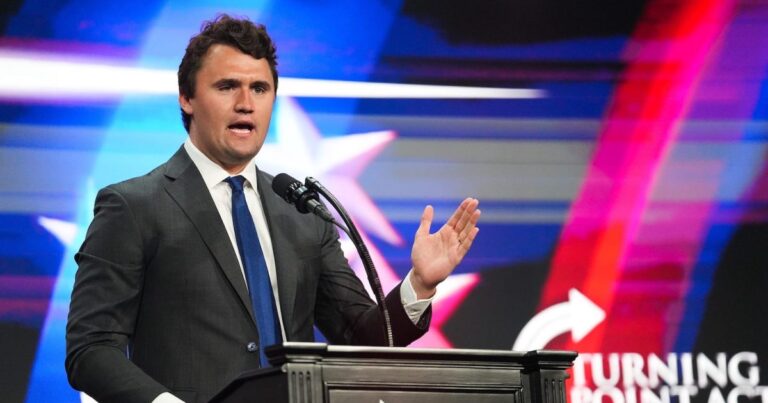
Read our previous post about Trump Honors Charlie Kirk as a Martyr Amidst Political Remarks at Memorial Service
FAQs on the 2025 Government Shutdown Debate
What is the October 1 government shutdown deadline?
It is the date by which Congress must pass a funding bill to keep federal agencies operating. Without action, the government will partially shut down.
What do Democrats want in the funding deal?
They want a $1.5 trillion package that protects healthcare programs, extends Obamacare tax credits, and reverses Medicaid cuts.
What does the White House propose?
The Trump administration seeks a “clean funding extension” until November 21, with no additional healthcare provisions.
How would a shutdown affect Americans?
It could halt nonessential government services, delay federal employee paychecks, and suspend funding for healthcare and research programs.
Who will be blamed if a shutdown happens?
Republicans argue Democrats will take the blame for blocking a clean extension, while Democrats claim the GOP’s refusal to address healthcare costs is the root cause.