MSNBC Apologizes After Charlie Kirk Shooting Remarks
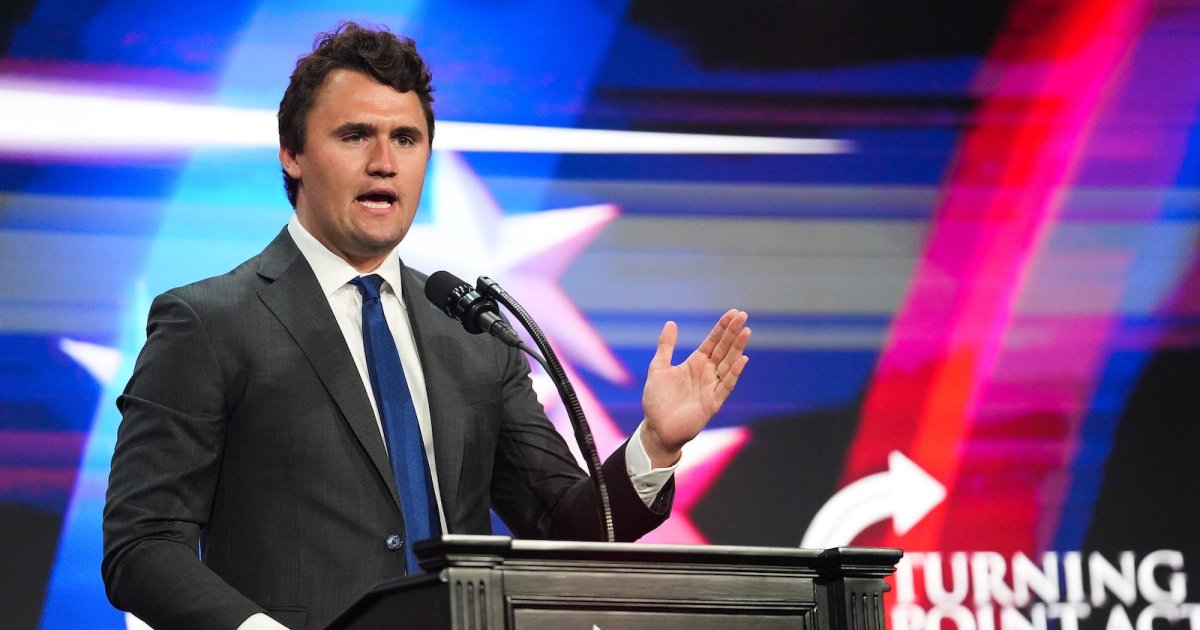
The tragic shooting of Turning Point USA founder Charlie Kirk has shaken the political and media landscape, raising questions about rhetoric, accountability, and the rise of political violence in America. Following controversial remarks from MSNBC analyst Matthew Dowd, the network quickly issued a public apology, sparking debate over how the media should approach sensitive breaking news events.
The Tragic Shooting of Charlie Kirk
Charlie Kirk, a 31-year-old conservative activist and the founder of Turning Point USA, was shot during an on-campus event in Utah. Despite immediate medical intervention, he later died from his injuries. Known for his strong alliance with former President Donald Trump and his influence among young conservatives, Kirk’s death reverberated across the political spectrum.
Leaders from both parties condemned the violence, with Trump calling Kirk “loved and admired by all.” Supporters and critics alike acknowledged his role as a polarizing but significant figure in modern American politics.
Matthew Dowd’s Remarks Ignite Backlash
During live coverage, MSNBC political analyst Matthew Dowd speculated that Kirk’s rhetoric had contributed to the tragedy. He stated that “hateful thoughts lead to hateful words, which then lead to hateful actions,” framing Kirk’s style of political speech as a factor in creating a hostile environment.
Dowd even suggested the gunfire could have been celebratory, possibly by a supporter—comments that many deemed insensitive and premature given the circumstances. Critics accused him of blaming the victim instead of condemning the act of violence outright.
MSNBC’s Public Apology
The controversy prompted MSNBC President Rebecca Kutler to issue a statement apologizing for Dowd’s remarks, labeling them “inappropriate, insensitive, and unacceptable.” The network stressed that Dowd had personally apologized and emphasized that “there is no place for violence in America, political or otherwise.”
However, some media critics argued the apology was understated, pointing to its limited visibility on MSNBC’s platforms. This reignited concerns about fairness, accountability, and transparency in mainstream media.
Political Violence and Media Responsibility
The assassination of Charlie Kirk raises deeper concerns about political rhetoric and its potential impact. While strong opinions are part of democratic discourse, the normalization of hateful language risks creating an environment where violence becomes more likely.
Yet, equating controversial speech with justification for violence is equally dangerous. Analysts caution that blaming victims can deflect responsibility from perpetrators and diminish the seriousness of violent acts. This tragedy highlights the urgent need for balanced, respectful, and responsible media coverage.
Reactions from Across the Political Spectrum
Condemnation of Kirk’s assassination was immediate and widespread. Republicans and Democrats alike voiced concern about rising hostility and violence in politics.
Conservative commentators accused MSNBC of lacking empathy, while liberal voices warned against weaponizing the tragedy for political gain. Across the board, there was agreement that no level of political disagreement should ever lead to violence.
Larger Implications for U.S. Discourse
Charlie Kirk’s assassination and the fallout from Dowd’s comments underscore the fragility of America’s civic discourse. In a society increasingly shaped by polarized rhetoric, tragedies like this serve as stark reminders of the real-world consequences words can have.
The media, political leaders, and citizens share a responsibility to keep debate robust but respectful, ensuring that criticism never veers into dehumanization. Only through such accountability can the cycle of anger and violence be broken.
Read our previous post about Apple Unveils AirPods Pro 3
Conclusion
Kirk’s death is a heartbreaking reminder of the cost of division. While his rhetoric divided opinion, his assassination united voices in condemning violence. The backlash to Dowd’s remarks and MSNBC’s apology illustrate the high stakes of public commentary in times of crisis.
As America reflects on this tragedy, the priority must be fostering unity, protecting free speech, and denouncing violence in all its forms. Healing a fractured nation requires collective responsibility, empathy, and a commitment to respectful dialogue.
FAQs
Who was Charlie Kirk?
Charlie Kirk was the founder of Turning Point USA, a conservative nonprofit organization focused on mobilizing young voters. He was also a close ally of former President Donald Trump and a prominent figure in right-leaning media and activism.
What happened to Charlie Kirk?
Kirk was shot during an on-campus event in Utah and later died from his injuries. The incident is under investigation, and authorities have not yet released full details about the suspect or motive.
Why did Matthew Dowd’s comments spark controversy?
Dowd, an MSNBC analyst, suggested Kirk’s rhetoric contributed to the environment that led to his shooting. Critics argued that his remarks appeared to blame the victim rather than condemning the violence.
How did MSNBC respond to Dowd’s remarks?
MSNBC issued a statement apologizing for the “inappropriate and unacceptable” comments. The network emphasized that Dowd had also apologized and clarified that it does not condone political violence of any kind.
What has been the public reaction to the shooting?
Reactions were swift and bipartisan, with leaders across the political spectrum condemning the violence and calling for unity. Supporters of Kirk honored his influence, while critics of MSNBC questioned the sensitivity of its coverage.
What are the broader implications of this incident?
The tragedy highlights growing concerns about political violence in the United States and the responsibility of both political figures and media organizations to use language carefully. It underscores the urgent need for respectful discourse in a polarized society.
Did Charlie Kirk face criticism during his career?
Yes, Kirk was often described as a divisive figure for his outspoken conservative views and criticisms of liberal policies. However, supporters admired him for inspiring young conservatives and building a powerful grassroots movement.
How can media organizations avoid similar controversies in the future?
Experts suggest media outlets should prioritize accuracy over speculation, especially during breaking news coverage. Commentators must balance free expression with sensitivity to victims and avoid language that could inflame divisions.